Independent fire and security project assurance

Catch integration and evidence failures before they delay acceptance.

Director-led review of fire alarm, ASD, access control, CCTV and cause-and-effect—turning unclear evidence, interface gaps and unresolved defects into a practical route to testing, handover and operation.

  • MIFSM-led
  • Desktop and site
  • UK and Europe
  • New-build to live estate

Independent judgementSeparate evidence from assumption

Connected-system viewTest the interfaces, not only the devices

Actionable reportingPriorities, owners and closure evidence

Focused first engagements

Start with the decision that needs confidence.

The first scope can be narrow. Begin with the immediate project risk, produce a useful position quickly, and expand only where the evidence justifies it.

Know whether the project is genuinely ready to test

Best when
Client witness, IST or acceptance is approaching and evidence is fragmented.
We review
Test prerequisites, scripts, cause-and-effect, interface ownership, open defects and retest evidence.
You receive
A prioritised readiness position showing blockers, owners and the evidence needed before attendance.
Discuss this review

Challenge cause-and-effect before uncertainty reaches site

Best when
Sequences, responsibilities or acceptance criteria are unclear before tender, build or commissioning.
We review
Specifications, drawings, matrices, system architecture, dependencies, timing, reset and recovery logic.
You receive
A concise query and risk register with a practical route to agreement and targeted testing.
Discuss this review

Turn unresolved defects and records into a credible close-out plan

Best when
Handover is slipping, evidence is incomplete or no one has a defensible view of residual risk.
We review
Installed condition, commissioning records, certificates, defect schedules, O&M information and ownership.
You receive
A decision-ready recovery plan that separates material risk from administration and defines closure evidence.
Discuss this review

The assurance output

Technical depth translated into decisions and close-out.

Every scope is shaped around the applicable project basis, available evidence and consequence of failure.

01

Prioritised findings

Material technical and operational risks ranked by consequence, not a flat list of observations.

02

Clear ownership

Actions linked to accountable parties, required evidence and an explicit route to close-out.

03

Targeted verification

Site checks and test scenarios focused on the interfaces and sequences that carry the greatest risk.

04

A defensible position

A concise statement of readiness, known limitations and residual risk for the decision-makers involved.

A proportionate route

From uncertainty to a clear next action.

  1. 1
    Define the decision

    Confirm the project stage, system boundary, applicable basis and immediate consequence.

  2. 2
    Interrogate the evidence

    Review records and verify the material risks on site where attendance adds confidence.

  3. 3
    Report for action

    Set out priorities, owners, evidence needs, known limitations and the route to closure.

Director-led technical authority

The people reviewing the risk are visible from the start.

Enquiries and technical appointments are reviewed by directors with fire, security, integration, commissioning and handover experience.

Colin Campbell MIFSM

Colin Campbell MIFSM

Director

Fire systems, cause-and-effect, networked environments, access-control logic and integrated assurance.

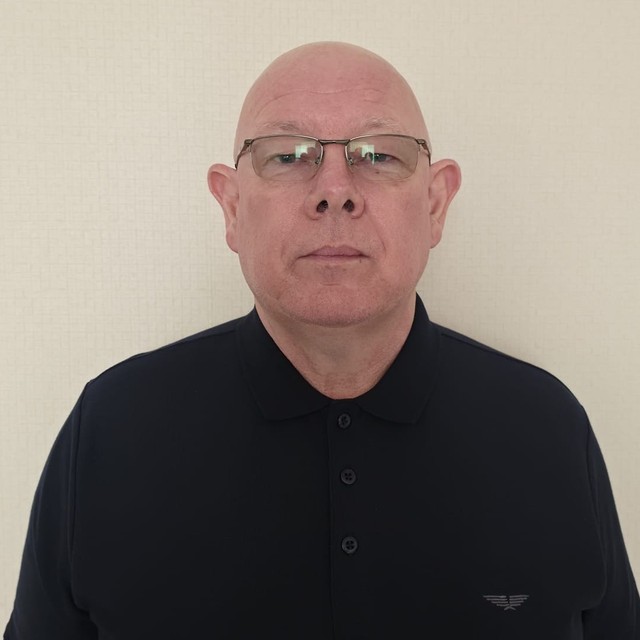
Kevin Onions MIFSM

Kevin Onions MIFSM

Director

Dynamic testing of life-safety, security and mechanical integrations through commissioning and operational readiness.

Frequently asked

What project teams usually need to know.

Can the first appointment be a focused desktop review?

Yes. A review can start with the documents already available: a specification, drawings, cause-and-effect matrix, commissioning records, test script or defect schedule. Site attendance is added only where it improves the decision.

Does VectorShield replace the designer or installer?

No. VectorShield provides an independent assurance layer. Design, installation, commissioning, approval and statutory responsibilities remain with the appointed parties.

Which systems can be included?

Typical scopes include fire alarm, aspirating smoke detection, access control, CCTV, safe egress, lifts, HVAC and BMS interfaces, suppression interfaces, monitoring and operator response.

Can you review an occupied or existing building?

Yes. The same approach can support audit, remediation planning, upgrade work, recurring faults, interface testing, evidence improvement and operational readiness.

Useful before you contact us

Fire and security handover-readiness checklist

Use the checklist before witness testing, client acceptance, occupation or an internal readiness review.

  • Design intent and scope
  • Commissioning and interfaces
  • Evidence, defects and close-out
  • Operational readiness